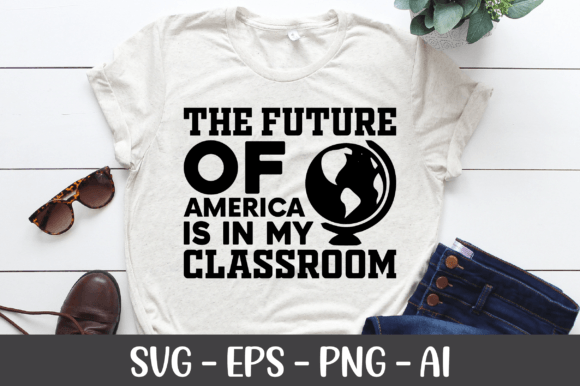
The Future of America is in My Classroom
As educators, we often find ourselves at the intersection of tradition and innovation. The classroom has long been a cornerstone of American society, shaping not only individual lives but also the future of our nation. The phrase "The Future of America is in My Classroom" resonates deeply with teachers who understand that every lesson, every interaction, and every creative project they guide can have a lasting impact on students' lives. In today's fast-paced world, where technology is rapidly transforming how we learn and create, the role of the classroom has evolved significantly.
One of the most exciting developments in modern education is the integration of digital tools into the classroom. These tools are not just about making lessons more engaging; they are about equipping students with the skills needed to thrive in an increasingly complex world. From interactive whiteboards to online learning platforms, technology has opened up new avenues for creativity and collaboration. However, the true power of these tools lies in how they are used to foster critical thinking, problem-solving, and innovation.
Consider the growing interest in crafting and design projects within educational settings. These activities offer students a unique opportunity to express themselves creatively while developing important life skills. Whether it's creating personalized T-shirts, designing home decorations, or producing signage for school events, the possibilities are endless. What makes these projects particularly valuable is their versatility—they can be adapted to suit various age groups and skill levels, making them accessible to all students.
For instance, a simple Back To School SVG file can be transformed into a wide range of products. Teachers can use these designs to create custom T-shirts for back-to-school events, or they can incorporate them into classroom projects that encourage student participation. The ability to print these designs on items like mugs, stickers, and signs adds another layer of practicality, allowing students to take their creations beyond the classroom and share them with the wider community.
Moreover, the availability of high-resolution files ensures that the quality of these designs remains consistent, regardless of the medium they are printed on. This is especially important when working with materials that require precision, such as those used in Silhouette or Cricut machines. The inclusion of transparent background PNG files further enhances the flexibility of these designs, enabling users to easily integrate them into other projects without worrying about unwanted elements.
When it comes to choosing the right design files, several factors should be considered. First and foremost is the intended use. Are you looking to create classroom decorations, promotional materials, or personal gifts? Each purpose may require a different type of file format. For example, EPS files are ideal for professional printing, while SVG files are perfect for digital use and customization. Understanding the strengths and limitations of each file type will help ensure that your final product meets your expectations.
In addition to file types, the ease of use is another important consideration. Many design software programs, such as Adobe Illustrator and Photoshop, support multiple file formats, making it easy for educators and students to work with these files. For those who prefer a more hands-on approach, Silhouette and Cricut machines offer user-friendly interfaces that allow even beginners to create stunning designs with minimal effort.
Another key factor is the level of customization available. With the right tools, educators can modify existing designs to better suit their specific needs. This might involve changing colors, adding text, or adjusting the layout. The ability to personalize these designs not only makes them more relevant to the classroom environment but also encourages student engagement and ownership of their work.
Furthermore, the availability of a ZIP file containing multiple file types provides a convenient one-stop solution for educators. This means that instead of searching for individual files, teachers can access everything they need in one place. This not only saves time but also ensures that all necessary components are included, reducing the risk of missing out on any essential features.
As we look to the future of education, it's clear that the classroom will continue to play a vital role in shaping the next generation of thinkers, creators, and leaders. By embracing innovative tools and resources, educators can create dynamic learning environments that inspire creativity, foster collaboration, and prepare students for the challenges of tomorrow. The phrase "The Future of America is in My Classroom" is not just a statement—it's a call to action for educators to harness the power of creativity and technology in ways that benefit both students and society as a whole.
Whether through traditional methods or cutting-edge digital tools, the classroom remains a space where ideas are born and futures are shaped. By providing students with the resources and opportunities they need to explore their interests and develop their talents, educators are laying the foundation for a brighter, more innovative America. As we continue to evolve our teaching practices, let us remember that every lesson, every project, and every creative endeavor has the potential to make a lasting impact.